
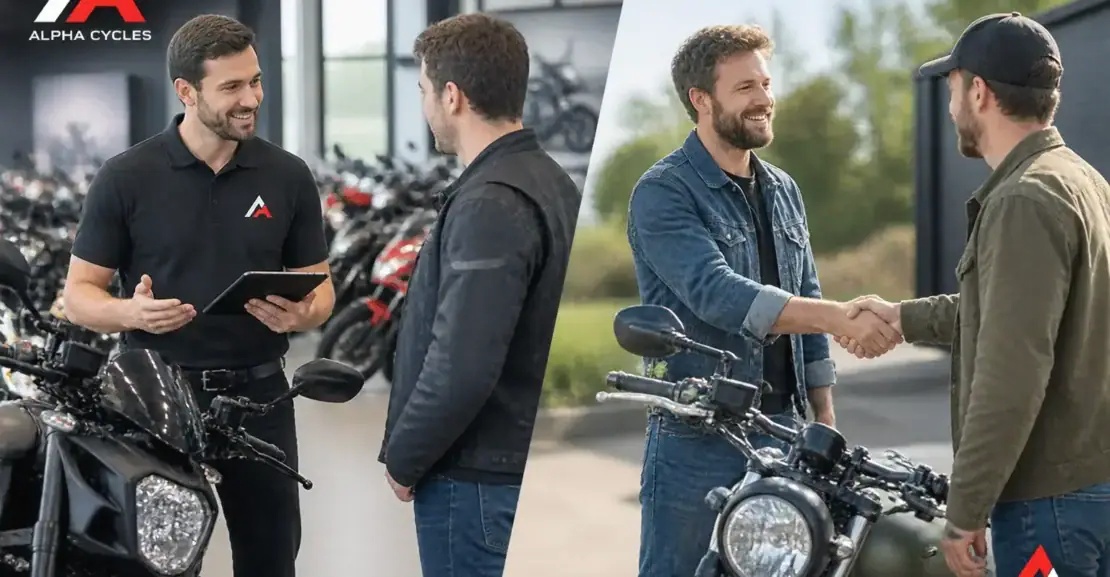
A premium motorcycle can look perfect in a driveway photo and still carry expensive unknowns. A clean title, a glossy tank, and low mileage are encouraging signs, but they do not tell you how the bike was maintained, whether it has been tuned correctly, or what happens if an issue appears after the sale. That is where the motorcycle dealer vs private seller decision becomes more than a question of price.
For South Florida riders shopping for a sport bike, adventure machine, or high-end weekend ride, the right purchase path depends on your priorities. A private sale can offer a compelling number and a direct conversation with the owner. A dealership can offer selection, professional preparation, financing, warranty coverage, and a clearer path from purchase to long-term ownership. Neither route is automatically right for every buyer, but the trade-offs should be clear before money changes hands.
Motorcycle Dealer vs Private Seller: The Real Difference
The biggest difference is not simply who holds the title. It is who carries the responsibility for making the transaction organized, informed, and supportable after the sale.
In a private transaction, the buyer typically takes on most of that work. You research the market, arrange a meeting, inspect the motorcycle, verify the VIN and title, determine whether there is a lien, negotiate payment, and handle registration on your own. If the motorcycle develops a problem after the sale, your options may be limited unless the seller was dishonest about a known issue.
At a dealership, the process is designed to reduce those gaps. The bike should be evaluated, presented with known specifications, and prepared for sale. You can compare multiple motorcycles in one visit, discuss riding goals with knowledgeable staff, review financing possibilities, and complete the paperwork through a structured process. For buyers who value time and confidence as much as the purchase price, that support has real value.
Price Is Only One Part of the Cost
Private sellers often advertise lower prices, and sometimes the savings are legitimate. A seller may be moving, clearing garage space, or ready to fund the next motorcycle. If you know the model well, understand its common issues, and can assess condition accurately, a private deal may be an excellent opportunity.
But a lower asking price is not always a lower ownership cost. Premium motorcycles can hide costs in tires, brakes, chains, batteries, service intervals, electronics, suspension components, and neglected fluids. A bike that is priced several thousand dollars below comparable examples may need immediate work that erases the apparent advantage.
A dealership price can reflect inspection, reconditioning, detailing, administrative work, and the ability to stand behind the transaction. It may also include benefits that are difficult to assign a simple dollar amount to, such as a 90-day warranty, available financing, or free local delivery. The right comparison is not sticker price versus sticker price. It is the total cost to get the motorcycle ready, legal, protected, and enjoyable to ride.
Ask What Has Been Done, Not Just What Is Included
Whether you buy privately or through a dealer, ask for specifics. Has the bike received recent maintenance? What is the age and condition of the tires? Are both keys available? Are service records included? Has the motorcycle been modified, tuned, tracked, dropped, or stored for extended periods?
A serious seller should be comfortable answering direct questions. A professional dealership should be able to explain the motorcycle’s condition and help you determine whether it fits your intended use. A high-performance sport bike that is ideal for a confident weekend rider may be the wrong choice for someone returning to motorcycling after years away.
Inspection and Condition Confidence
A private seller may know the bike intimately, especially if they have owned it for years and kept detailed records. That personal history can be valuable. You may learn how it was ridden, where it was serviced, and why it is being sold.
The limitation is that an owner is not always equipped to identify every mechanical concern, and not every seller will disclose every issue with the same level of care. Buyers should never feel rushed into handing over money based on appearance alone. If permitted, arrange an independent pre-purchase inspection with a qualified motorcycle technician. Verify the VIN matches the title and frame, check for evidence of crash damage, inspect cold starts, and look closely at wear items.
A reputable dealership adds another layer of accountability by evaluating and preparing motorcycles before they reach the showroom. That does not mean a used motorcycle becomes brand new, nor should buyers expect perfection from a pre-owned machine. It means condition can be discussed in a more professional setting, with a service team and ownership resources available if you need maintenance, detailing, customization, or future support.
Financing Can Change What Is Possible
Private-party purchases usually require cash, a bank check, or financing that you arrange independently. For buyers with the funds ready, this can be simple. For many riders, especially those purchasing a premium motorcycle, it can narrow the available options or delay the purchase.
Dealership financing can make a higher-quality motorcycle more attainable without forcing you to drain capital intended for other priorities. It also allows you to evaluate the complete transaction in one place: down payment, monthly payment, taxes, registration costs, and optional protection products. The goal is not to stretch into a bike that does not fit your budget. It is to choose a payment structure that supports responsible ownership.
Financing is particularly useful when the better-maintained, lower-mileage motorcycle costs more upfront but is likely to demand fewer immediate repairs. A knowledgeable team can help you weigh that decision without treating every buyer as if they have the same needs.
Paperwork, Titles, and Transaction Security
This is where a seemingly easy private sale can become stressful. A missing title, an active lien, a mismatched VIN, or incomplete paperwork can delay registration and create a problem long after the seller has disappeared. Out-of-state private purchases add another level of complexity, especially when transport and title requirements are involved.
Dealership transactions are built around documentation. The paperwork is prepared as part of the sale, and there is a business available to answer questions rather than an individual who may stop responding once payment clears. For local buyers, this can make the purchase feel significantly more straightforward. For nationwide purchasers, professional shipping coordination and clear sales documentation can be even more valuable.
Before any purchase, confirm the title status, VIN, mileage, identification requirements, and tax obligations. Do not let excitement over a rare color, low mileage, or a fast-moving listing replace basic due diligence.
When a Private Seller Makes Sense
A private seller can be the right choice when you are shopping for a specific, well-documented motorcycle and have the experience to evaluate it carefully. It can also work well for buyers who have cash available, know the local market, and are comfortable arranging inspections, registration, transport, and post-sale service themselves.
The best private transactions tend to be transparent rather than merely inexpensive. The seller has records, communicates clearly, permits reasonable inspection, and does not pressure you to overlook paperwork or send a deposit before you have verified the motorcycle.
Be especially cautious with prices that appear dramatically below market value, sellers who refuse to meet at a secure location, titles that are not in the seller’s name, or requests for unusual payment methods. A rare motorcycle is not worth a rushed decision.
When a Dealership Is the Better Fit
A dealership is often the stronger choice when you want more than a motorcycle in a single transaction. If you need financing, want a warranty, prefer a professionally prepared bike, or want help selecting between several models, dealership support can remove much of the friction.
It also makes sense for buyers who plan to build a long-term relationship around their motorcycle. You may want maintenance after purchase, performance work, customization, detailing, eventual trade-in assistance, consignment support, or reliable transport. Alpha Cycles is built around that full ownership experience, so riders can move from showroom selection to financing, service, delivery, and future resale with one trusted team.
For first-time premium-bike buyers, that guidance can be particularly valuable. The right motorcycle is not always the most aggressive-looking one or the one with the highest horsepower. It is the one that matches your experience, body position preferences, intended mileage, and confidence level.
Make the Purchase Fit the Ownership You Want
The strongest decision comes from being honest about what you want from the experience. If you enjoy researching every detail, have trusted technicians, and find a clean, well-documented bike from a credible owner, a private sale may deliver real value. If you want a broader selection, a structured transaction, financing options, warranty coverage, and help after the keys are in your hand, a dealership may be worth far more than the initial difference in asking price.
Before committing, take a moment to picture the first month of ownership. Will you be ready to ride, or will you be chasing paperwork, service appointments, and unexpected repairs? Choose the path that lets you spend more of that month doing what you bought the motorcycle to do: riding it with confidence.