
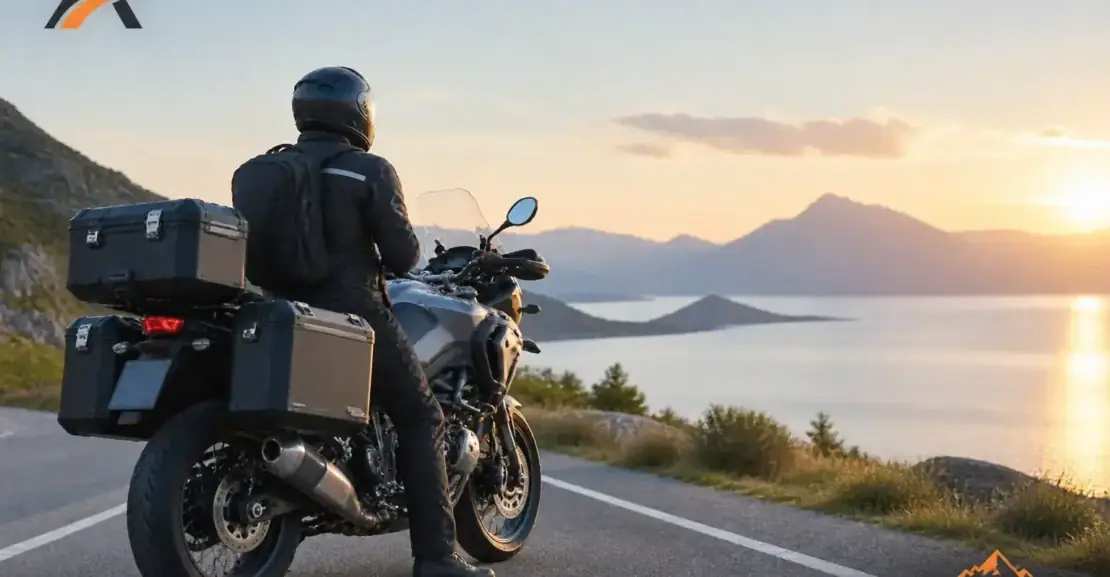
A 500-mile day changes the definition of a great motorcycle. Fast acceleration, aggressive styling, and a sharp exhaust note still matter, but wind protection, seat support, fuel range, luggage, and relaxed ergonomics become the features you appreciate most after hour six. The best motorcycles for long-distance riding do not all look alike. The right choice depends on whether your ideal route is I-95, the Blue Ridge Parkway, an unpaved trail, or all three in the same week.
For riders shopping premium sport, touring, and adventure machines, the goal is not simply to buy the biggest bike available. It is to choose a motorcycle that fits your body, your passenger plans, your luggage needs, and the roads you will actually ride. Here are the standout options and the trade-offs that should guide the decision.
What Makes a Motorcycle Ready for Distance?
Long-distance comfort begins with rider position. A neutral reach to the handlebars, manageable knee bend, and a seat that distributes weight well can prevent fatigue more effectively than a long accessory list. Adjustable windscreens, cruise control, heated grips, quality suspension, and integrated luggage make a real difference when the weather or route changes.
Range matters, but it is not only about tank size. A bike with efficient real-world fuel consumption and a dependable fuel gauge makes route planning easier, especially on rural roads. Passenger comfort deserves equal attention if you travel two-up. A generous rear seat, sturdy grab rails, useful backrest options, and suspension designed for additional load can separate a memorable trip from an exhausting one.
Finally, consider the ownership side. A long-distance bike should be easy to maintain, have strong parts support, and be inspected carefully before a major ride. Premium motorcycles reward proper service, tires in excellent condition, and luggage mounted correctly.
Best Motorcycles for Long Distance: Top Choices
BMW R 1300 GS Adventure
The BMW R 1300 GS Adventure is the answer for riders who refuse to limit a trip to pavement. It offers commanding visibility, serious wind protection, a large fuel capacity, advanced rider aids, and the suspension travel needed for broken pavement, gravel, and remote roads. Its boxer engine delivers relaxed, usable torque rather than demanding constant high-rpm attention.
This is a premium adventure machine with a substantial physical presence. Shorter riders should spend time getting comfortable with its height and weight, particularly when fully loaded. For a rider who wants one motorcycle capable of crossing Florida, heading west, and continuing beyond the road’s end, few bikes have a broader mission.
Honda Gold Wing Tour
For two-up highway miles, the Honda Gold Wing Tour remains one of the strongest names in motorcycle touring. Its flat-six engine is remarkably smooth, the fairing provides meaningful weather protection, and its low center of gravity helps the bike feel more controlled than its size suggests. Available automatic DCT transmission is especially appealing in heavy traffic and stop-and-go touring routes.
The Gold Wing is less interested in unpaved detours than an adventure bike, and its luggage capacity may require thoughtful packing for extended two-person travel. But for riders who value refinement, passenger comfort, and effortless interstate performance, it is hard to overlook.
Harley-Davidson Road Glide Limited
The Road Glide Limited brings classic American touring presence with the practical equipment needed for serious travel. Its frame-mounted sharknose fairing helps reduce wind fatigue, while floorboards, a supportive passenger area, hard bags, and a top case make it well suited to full days in the saddle. The Milwaukee-Eight engine provides the easy, low-rpm torque many riders want when carrying a passenger and luggage.
This is the choice for riders who want a traditional V-twin experience without giving up touring capability. It is a large motorcycle, so slow-speed confidence matters. A proper test ride is worthwhile, particularly for riders moving up from a lighter sport or naked bike.
Indian Challenger
The Indian Challenger is a compelling alternative for riders who want American bagger style with a more performance-oriented personality. Its liquid-cooled PowerPlus engine delivers strong passing power, and the chassis gives the bike an athletic feel for its category. The fixed fairing, hard luggage, cruise control, and available premium audio support long freeway stretches without making the motorcycle feel limited to straight roads.
It does carry the weight and scale expected of a fully equipped bagger. The reward is a motorcycle that can cover distance confidently while remaining entertaining when the road becomes more technical.
Ducati Multistrada V4 S
The Ducati Multistrada V4 S is built for the rider who considers the ride itself the destination. It blends high-performance road manners with upright adventure ergonomics, sophisticated electronics, adjustable suspension, and strong wind protection. On a fast mountain route, it feels more responsive and engaging than a traditional full-dress touring bike.
Its touring credentials are genuine, especially with factory luggage and comfort accessories, but it is best for riders who enjoy a spirited pace and are comfortable with premium-bike maintenance expectations. The Multistrada makes sense when long distance does not mean slow distance.
Yamaha Tracer 9 GT+
The Yamaha Tracer 9 GT+ is a smart option for riders who want advanced touring features without the size and weight of a heavyweight bagger. Its three-cylinder engine has character and usable midrange power, while its upright position, electronic suspension, integrated cases, and rider-assistance technology make it a capable mile-eater.
It is particularly attractive for solo riders or couples who pack efficiently. The passenger accommodations and wind protection are not as expansive as a Gold Wing or Road Glide Limited, but the lighter feel can be a major advantage on daily rides and twisty roads.
Kawasaki Ninja 1100SX
The Kawasaki Ninja 1100SX proves that a long-distance motorcycle can still look and feel like a sportbike. Its fairing, cruise control, manageable riding position, and available luggage make it a practical sport-tourer for riders who prefer a more forward, connected stance. It is quick, composed, and far more comfortable over distance than a dedicated supersport machine.
The trade-off is simple: it asks more of your wrists, knees, and core than an adventure or luxury touring bike. For a solo rider who wants weekday canyon performance and weekend state-to-state travel from the same machine, that trade-off may be exactly right.
Choose the Category Before the Badge
A touring motorcycle is the natural choice for maximum passenger comfort, weather coverage, and luggage capacity. Choose one if interstate travel and two-up trips are central to your plans. Adventure motorcycles offer the broadest road versatility, higher seating positions, and confidence when pavement quality drops. They are ideal for riders whose routes are rarely predictable.
Sport-tourers deliver a more direct, athletic experience while preserving enough comfort for multi-day travel. They suit riders who pack light and prioritize handling. Performance-focused adventure-tourers, such as the Multistrada, sit between categories: quick enough for enthusiastic back-road riding, upright enough for real mileage, and equipped for travel when set up properly.
No category is automatically best. A rider who spends 90 percent of their time commuting and taking solo weekend trips may be happier on a Tracer 9 GT+ or Ninja 1100SX than on a massive luxury tourer. A couple planning coast-to-coast rides will likely value the comfort and storage of a Gold Wing Tour or Road Glide Limited more than a lighter sport-tourer.
How to Shop a Used Long-Distance Motorcycle
A well-kept pre-owned premium motorcycle can be an excellent long-distance purchase, but inspect it as a travel tool, not just a showroom piece. Service records should show consistent oil changes, brake service, tire replacements, and manufacturer-recommended maintenance. Check luggage latches, windscreen adjustment, heated grips, cruise control, electronic suspension, and every rider-assistance mode.
Pay close attention to tires and brakes. A motorcycle can look exceptional while carrying aging tires or pads that will need immediate replacement. Review battery condition, charging-system performance, final drive or chain condition, and signs of leaks around forks, shocks, and engine cases. If the bike has aftermarket accessories, confirm that lights, wiring, luggage racks, and auxiliary power connections were installed professionally.
At Alpha Cycles, riders can compare a broad selection of premium motorcycles while getting practical guidance on condition, service needs, financing, customization, and delivery. That kind of support is valuable when the bike you choose will be carrying you far beyond your local roads.
Set Up the Bike Before the Big Ride
Even the best touring motorcycle needs a rider-specific setup. Adjust levers, controls, suspension preload, and windscreen height before departure. Pack heavier items low and close to the motorcycle’s center, and leave enough room to access rain gear, a tire repair kit, and essential tools without unloading everything at a fuel stop.
A quality seat, small wind deflector adjustment, or a different handlebar position can transform comfort over a full day. Start with shorter rides after making changes, then refine the setup before committing to a long route. The right motorcycle should make you want to keep riding when the road opens up, not start watching for the next place to stop.