
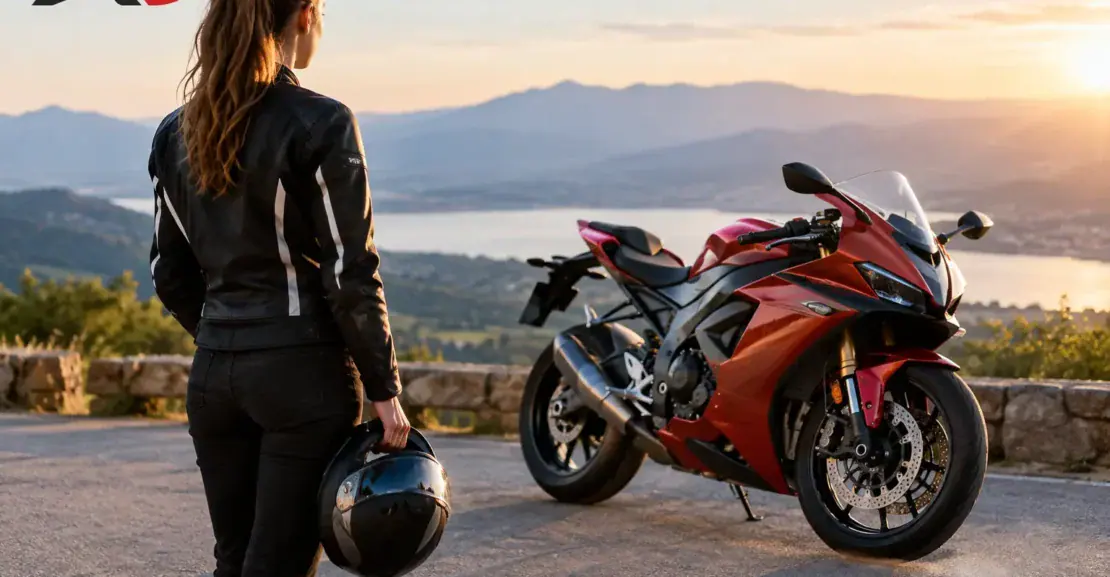
A sport motorcycle can feel perfect in a showroom and completely wrong after 45 minutes in traffic, a tight U-turn, or your first fast corner. Knowing how to choose a sport motorcycle means looking beyond horsepower, paint, and internet hype. The right bike should match your skill, body, budget, and the kind of riding you will actually do.
For some riders, that means a lightweight middleweight sportbike with usable street power. For others, it means a premium superbike with advanced electronics and track-ready performance. Neither choice is automatically better. The better choice is the one you can ride confidently, maintain properly, and still be excited to start every weekend.
Start With Your Real Riding Plan
Be honest about where the motorcycle will spend most of its time. South Florida riders may picture open roads and weekend runs, but many miles happen in city traffic, on highways, and in hot, stop-and-go conditions. A motorcycle that only feels good at high speeds can become tiring when you are commuting, meeting friends, or navigating crowded streets.
A true supersport is built around aggressive ergonomics, high-revving power, sharp handling, and track capability. It rewards a rider who wants precision and is comfortable with a forward-leaning position. A sportbike or sport-oriented naked bike often gives you much of the visual appeal and performance with a more manageable riding position and broader low-to-midrange power.
If your goal includes track days, prioritize braking, suspension adjustment, tire options, and rider aids. If you want a premium motorcycle for weekend rides and occasional city use, comfort, heat management, fuel range, and low-speed balance deserve more weight. There is no reason to buy capability you cannot use if it makes the ownership experience less enjoyable.
Choose Power You Can Use
Engine size gets attention, but displacement alone does not tell the whole story. A 600cc inline-four supersport can be demanding because it makes much of its power high in the rev range. A 900cc or 1000cc twin may make stronger torque earlier, which can feel easier on the street but still requires restraint. A modern 1000cc superbike can accelerate with extraordinary force and is not the best starting point for most newer riders.
For a rider moving up from a beginner bike, the middleweight category is often the smart place to shop. Bikes in the roughly 650cc to 900cc range can offer serious performance without constantly asking you to manage extreme power. They are quick enough to stay exciting for years, yet generally easier to learn on than liter-class machines.
Experienced riders should still think beyond maximum output. Consider how smooth the throttle feels, how predictable the engine is at lower speeds, and whether the power delivery suits your habits. Fast is fun. Controllable fast is what builds confidence.
Electronics Are a Valuable Safety Net
Modern rider aids can make a major difference, especially on premium performance motorcycles. ABS, traction control, selectable ride modes, wheelie control, engine-brake management, and cornering ABS can help a rider manage changing conditions. They do not replace judgment, training, or proper tires, but they add a meaningful layer of support.
A newer rider may appreciate a bike with adjustable power modes and forgiving traction control. A more experienced rider may want deeper customization for spirited road riding or track use. In either case, ask how intuitive the controls are and whether the settings can be adjusted without making every ride feel like a software project.
Fit Matters More Than Most Buyers Expect
A sport motorcycle is a physical purchase. You need to sit on it, reach the bars, put at least the balls of your feet down comfortably, and feel able to hold the bike steady at a stop. Seat height matters, but seat width, rider inseam, handlebar reach, footpeg position, and overall weight distribution matter just as much.
Do not judge comfort while the motorcycle is on its side stand for two minutes. Imagine braking hard, turning in a parking lot, backing into a space, and riding for an hour in warm weather. An aggressive riding position may be exactly what you want, but it should be a deliberate choice rather than a surprise after purchase.
Handlebar and lever adjustments, seat options, rearsets, and suspension setup can improve fit significantly. However, accessories should refine a motorcycle that already suits you, not rescue one that fundamentally does not. A professional showroom team can help you compare several models back-to-back, which often makes the right fit obvious.
Look Beyond the Purchase Price
The price on the motorcycle is only the opening number. Premium ownership also includes insurance, registration, fuel, tires, scheduled maintenance, protective gear, and potential performance upgrades. Sportbike tires provide impressive grip, but softer compounds can wear quickly, particularly on powerful motorcycles ridden aggressively.
Before committing, consider the cost and availability of routine service. Ask about valve service intervals, chain maintenance, brake components, tire sizing, and common wear items. If you are considering a used motorcycle, inspect service history, tire date codes, chain and sprocket condition, brake pad life, fluids, and signs of crash damage or poorly installed modifications.
Financing can make the right motorcycle more accessible, but it should support a comfortable ownership plan. Leave room in your budget for a quality helmet, jacket, gloves, boots, and insurance. The motorcycle is the centerpiece, but the complete riding experience is what protects your investment and keeps you on the road.
New, Used, or Certified Condition?
A new sport motorcycle gives you the latest engineering, a factory warranty, and a clean ownership starting point. It can be the right choice for buyers who value current electronics, specific colors, and complete peace of mind. The trade-off is a higher purchase price and, in many cases, the first stage of depreciation.
A well-kept used premium bike can offer exceptional value, particularly when it has documented maintenance and has been professionally inspected. It may also include tasteful upgrades such as exhaust components, frame protection, or suspension work. Be cautious with heavily modified motorcycles, though. Performance parts are not automatically a benefit if installation quality, tuning, or maintenance is unclear.
At Alpha Cycles, buyers can compare new and used options in one setting and get guidance based on condition, intended use, financing needs, and long-term ownership plans. That is a better starting point than trying to decode a listing from a few photos.
Test the Practical Details Before You Decide
When you narrow your choices, pay attention to the details that shape every ride. Check the clarity of the display, switchgear feel, mirror visibility, turning radius, clutch effort, heat near your legs, and how easily you can find neutral. These details may sound minor until you live with them every day.
Ask whether the suspension is adjustable and whether it has been set up for the current rider. Suspension that is too soft, too stiff, or poorly adjusted can make a capable motorcycle feel unsettled. The same is true for tire pressure and tire condition. A properly prepared motorcycle should feel composed, predictable, and ready for the road.
You should also think about ownership support after delivery. A dealership that can provide service, detailing, customization, warranty support, financing assistance, and transport reduces the friction that often comes with buying a premium motorcycle. The goal is not simply to leave with a beautiful bike. It is to have a clear plan for maintaining its condition and value.
How to Choose a Sport Motorcycle With Confidence
The best sport motorcycle is not necessarily the most powerful, rarest, or most expensive one in the showroom. It is the motorcycle that makes you want to ride while giving you the control to improve. Choose the bike that fits your body, respects your experience, suits your roads, and leaves enough budget for proper gear and care.
Take your time with the decision. Sit on more than one model, ask direct questions about maintenance and condition, and picture the ride you will take after the excitement of purchase day has passed. When the motorcycle still makes sense in that picture, you have found a bike worth bringing home.